
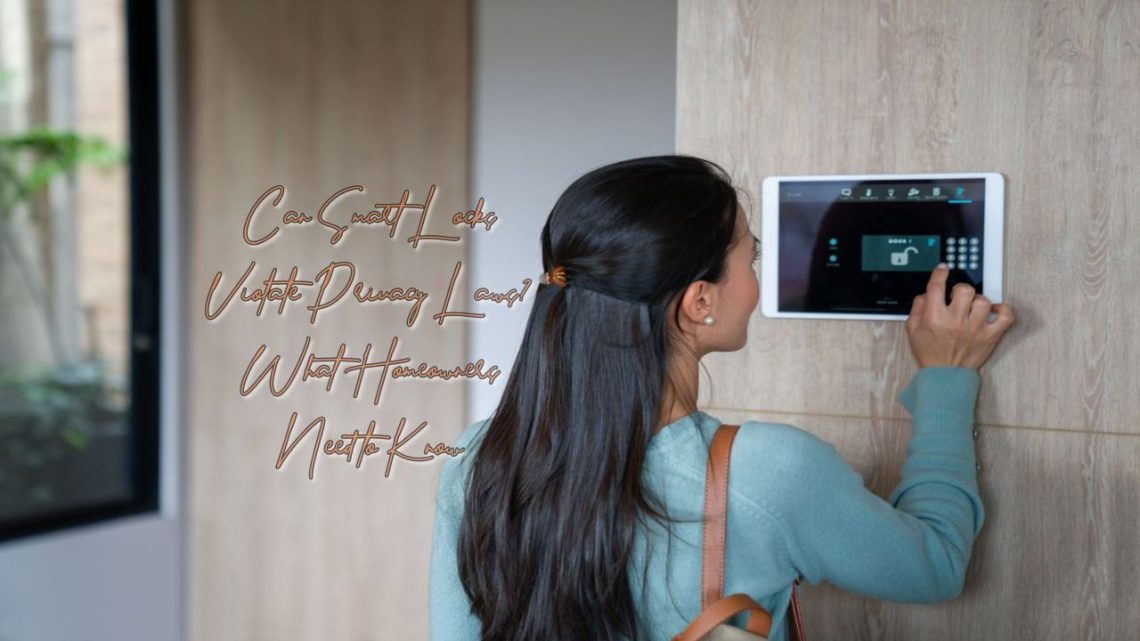
Smart locks, like those sold at https://daltonlocks.com/collections/smart-locks, offer convenience and security, but they also raise privacy concerns. These devices store and share data, making homeowners wonder if their personal information is at risk. Some states have strict privacy laws, and violating them can lead to legal trouble. This article explains whether smart locks can break privacy laws and what homeowners need to watch out for.
How Smart Locks Collect and Use Data
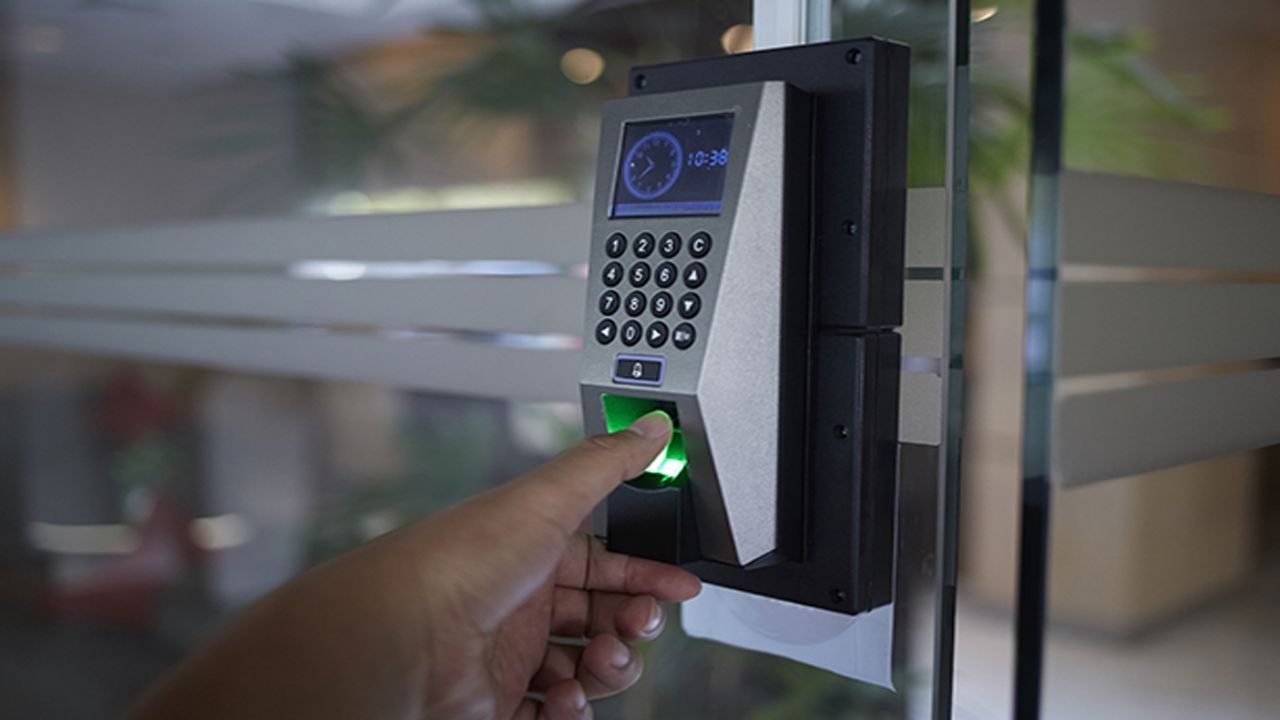
Unlike traditional locks, smart locks use technology to control access. Many models connect to Wi-Fi or Bluetooth, allowing remote control through a smartphone app. Some even have cameras, microphones, and fingerprint scanners. These features create logs of entries and exits, which are often stored in the cloud. Manufacturers and service providers may collect this data for security purposes. However, if the information is shared without consent, it can become a privacy issue. Homeowners should check privacy policies before installing a smart lock. If you’re considering installing one, checking out options like daltonlocks.com can help you find secure and reliable choices.
Legal Concerns with Smart Locks
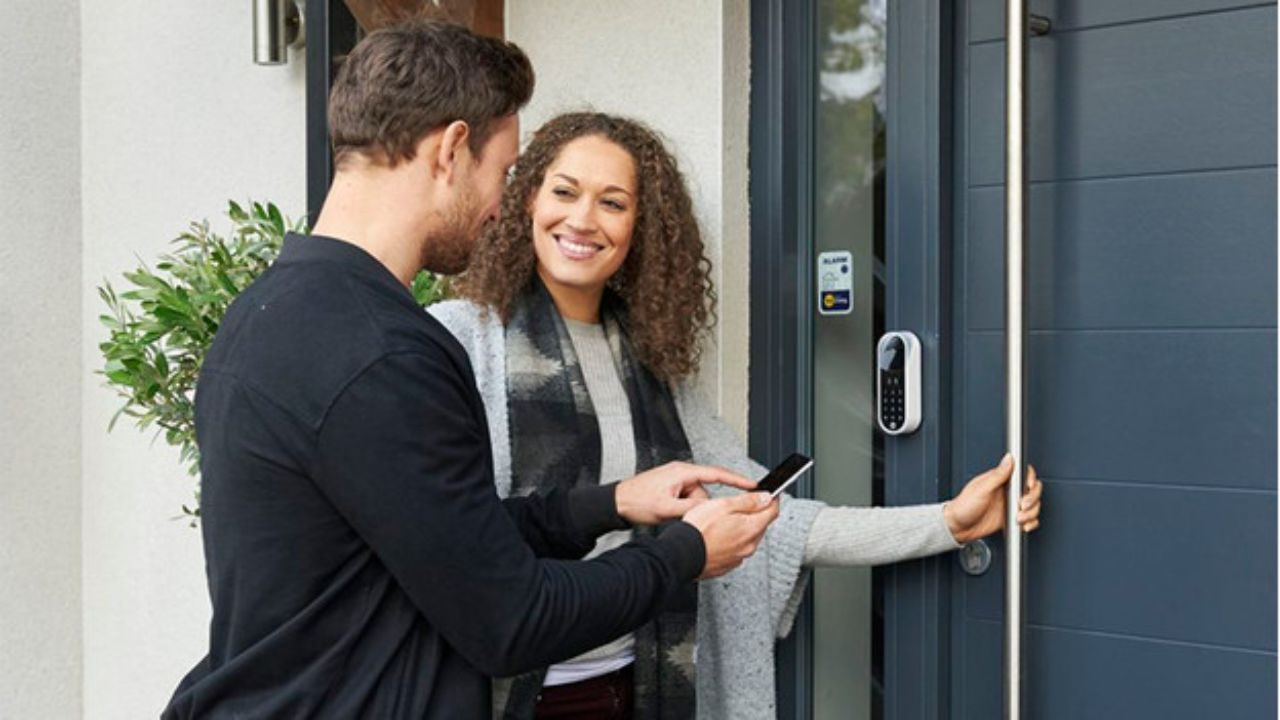
Privacy laws vary by state and country. In the U.S., laws like the California Consumer Privacy Act (CCPA) and the General Data Protection Regulation (GDPR) in Europe require companies to protect user data. Homeowners should be aware of the following legal risks:
- Data Sharing Without Consent: Some smart lock providers may share data with third parties. This could include law enforcement or marketing companies. Without consent, this might violate privacy laws.
- Unauthorized Access: If a smart lock is hacked, personal data could be exposed. Companies that fail to secure their devices could be held responsible.
- Tenant Privacy Rights: Landlords using smart locks must follow privacy laws. Some states require landlords to provide physical keys if tenants request them. Installing smart locks without permission could lead to legal disputes.
- Workplace and Rental Properties: Employers and landlords who track employees or tenants without consent might break the law. Logging entry and exit times without informing users can be a privacy violation.
Protecting Your Privacy with Smart Locks

Homeowners can take steps to reduce privacy risks while enjoying the benefits of smart locks. Here’s how:
- Read the Privacy Policy: Before buying a smart lock, check how the company handles data. Look for brands that do not share information with third parties.
- Use Strong Passwords and Two-Factor Authentication: A weak password can make it easier for hackers to access your lock. Adding extra security layers reduces the risk.
- Limit Data Collection: Some smart locks let users turn off data logging. If you don’t need to track who enters and exits, disable this feature.
- Check Local Laws: If you rent out a property or have tenants, know your state’s privacy laws. Make sure your use of smart locks follows legal guidelines.
- Update Firmware Regularly: Manufacturers release updates to fix security issues. Keeping your device updated helps protect your data.
Smart locks bring convenience, but they also raise privacy concerns. Homeowners should understand how these devices collect and store data. Reviewing privacy policies, securing devices, and knowing local laws can help avoid legal trouble. While smart locks offer many benefits, staying informed is the key to protecting your privacy.
