
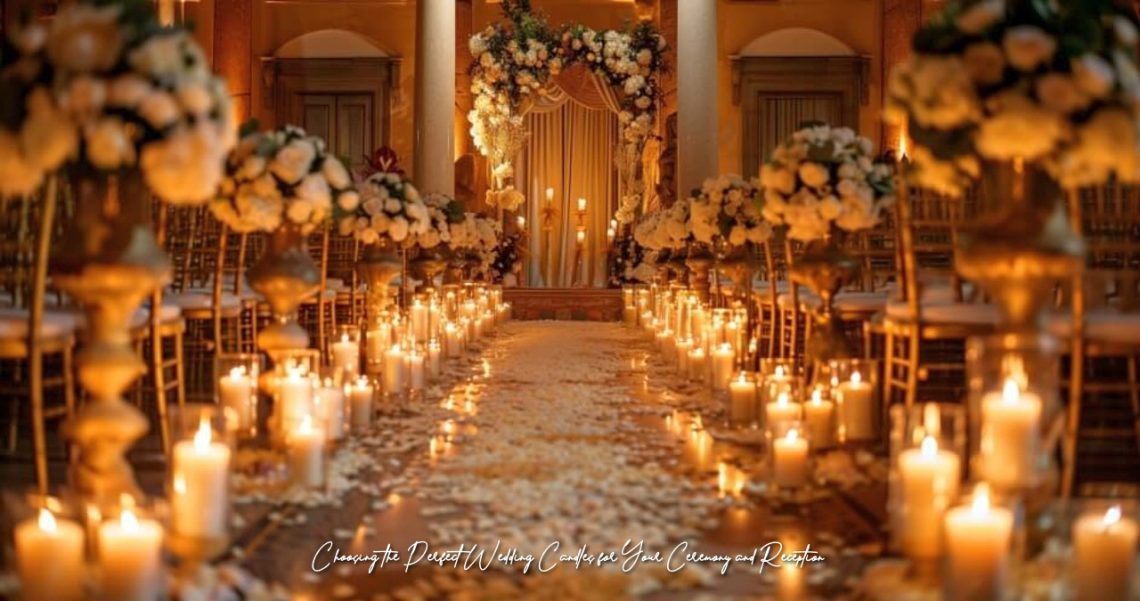
Some wedding details feel small when you first list them. Then the day arrives, the lights dim, the music settles in, and those details suddenly shape the whole room. Wedding сandles have that kind of power. They can make a ceremony feel intimate, give a reception table warmth, and turn a large venue into a space that feels personal and calm. Couples often choose them for beauty, but the best results come from treating them as part of the event design, not as an afterthought.
The strongest candle plan does two jobs at once. It supports the emotional tone of the ceremony, and it improves the visual rhythm of the reception. That might mean a formal unity setup at the altar, low flickering votives at dinner, or glass-shielded tapers that keep an outdoor breeze from ruining the look. Open flame can bring real romance to a room, yet it also requires practical planning from the start, especially when a venue has strict safety rules or a layout filled with fabrics, florals, and guest traffic.
Begin With the Feeling You Want Guests to Experience
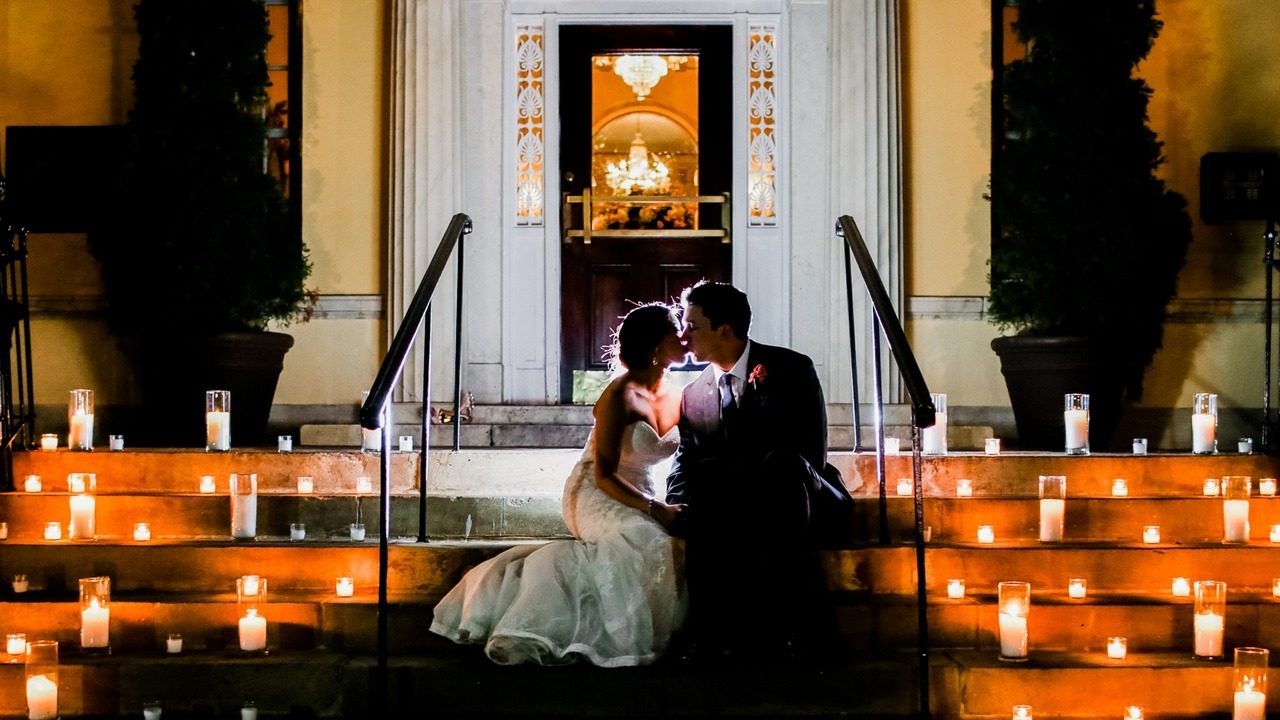
Before you compare colors, holders, or wax types, think about mood. A black-tie ballroom usually calls for taller silhouettes, cleaner lines, and controlled symmetry. A garden ceremony often feels better with softer shapes, mixed glass, and a looser arrangement that looks romantic without feeling staged. A rustic barn, by contrast, can handle lanterns, textured holders, and clusters of warm light that soften wood beams and wider open spaces. When couples start with mood first, the candle choices stay consistent from aisle to dinner tables instead of looking pieced together from separate Pinterest boards.
This first decision also helps you avoid one of the most common styling mistakes: using too many different formats in one event. A room with pillars, floating bowls, tea lights, tapers, lanterns, and novelty shapes all at once can lose direction fast. A tighter mix usually works better. You might pair tall tapers with small votives for a more formal look, or combine pillars and lanterns for something grounded and relaxed. The point is to let each lighting element support the same visual language from the ceremony entrance to the final toast.
Match Candle Types to the Ceremony’s Key Moments
The ceremony deserves its own plan because the emotional focus sits there. If you want a symbolic lighting ritual, a unity set remains a popular choice. In many versions, each partner lights a central candle using separate tapers, creating a simple visual moment that guests grasp instantly. Some couples invite parents or children to join in, which gives the ritual more family meaning and makes it feel tailored rather than generic.
Outside that symbolic moment, think about visibility and movement. Slender tapers can frame an altar beautifully, but they need holders that stay steady and proportionate to the arrangement around them. Pillars bring more visual weight and read well in photos, especially in front-facing ceremony setups. Outdoor ceremonies need extra care. Glass hurricanes or sleeves help protect the flame from wind and keep the moment from turning awkward if a wick blows out mid-vow. That kind of protection looks polished while solving a very real problem.
Design Reception Lighting With Scale and Depth
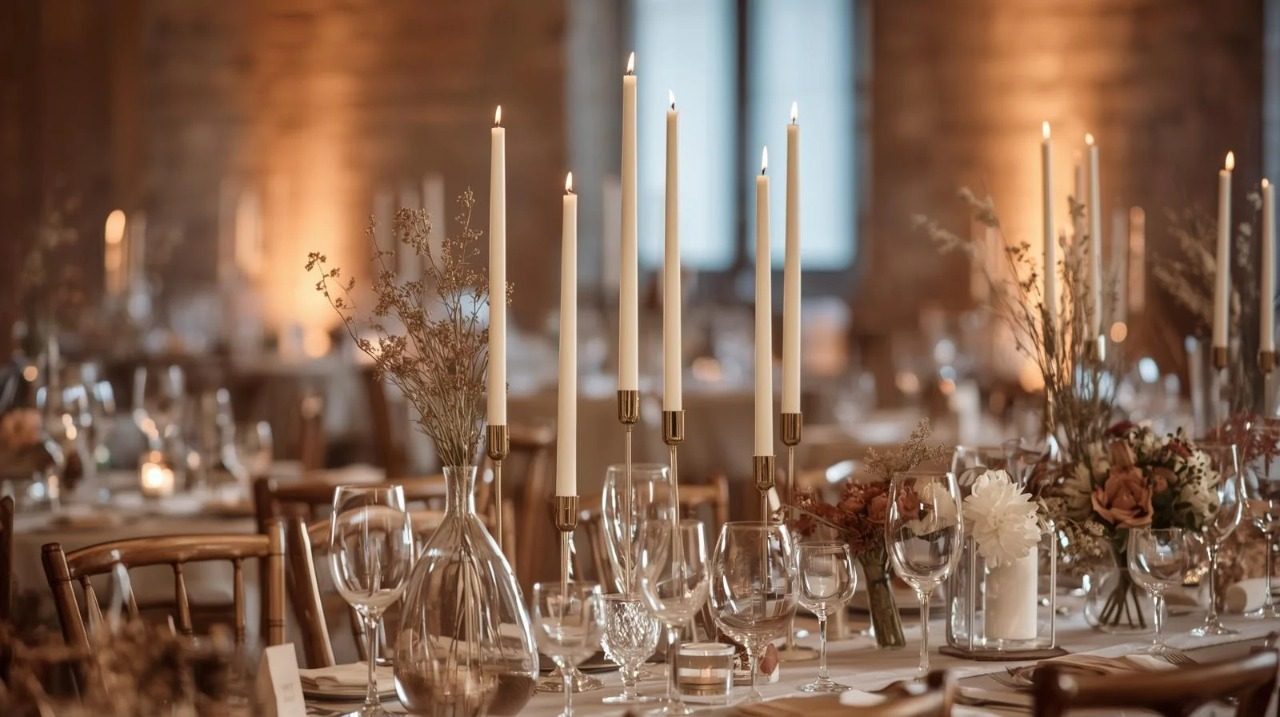
Reception lighting works best when it creates layers. One candle on a table rarely changes the room. A thoughtful mix of heights does. Tall tapers pull the eye upward. Votives and tea lights create sparkles at table level. Pillars add weight where the room needs it, especially near escort displays, bars, fireplaces, or the sweetheart table. Designers often rely on this contrast in height because it adds depth without crowding the florals or blocking conversation across the table.
Scale matters just as much as type. Long banquet tables can handle repeated runs of glass and flame that create rhythm down the full length. Round tables usually look cleaner with a central cluster that keeps the tabletop balanced. Large rooms need more coverage than couples often expect. Soft candlelight looks generous in a small dining room, yet it can disappear in a tall venue unless it appears in enough places to carry across the space. The goal is not extreme brightness. The goal is visual continuity, so the reception feels intentionally lit instead of patchy.
Align Color, Finish, and Fragrance With the Wedding Style
Color choice can make or break the final effect. White and ivory remain popular for a reason. They work with almost any palette, read cleanly in photography, and let surrounding details take the lead. Still, there are smart ways to move beyond them. Soft blush, taupe, sage, or deep midnight tones can look striking in the right setting, especially when they echo linens, stationery, or floral accents. The key is restraint. A candle should support the palette, not compete with it.
Fragrance deserves extra caution. A heavily scented option may sound luxurious in a showroom, then clash with dinner service, signature cocktails, or floral design during the actual event. Unscented or lightly scented styles usually make the safer choice for receptions. Texture and finish can do more of the design work instead. Matte tapers, glossy vessels, ribbed glass, antique brass holders, and clear cylinders each create a different tone without adding sensory noise. When the materials echo the rest of the décor, the lighting feels refined instead of random.
Plan Around Venue Rules, Weather, and Fire Safety
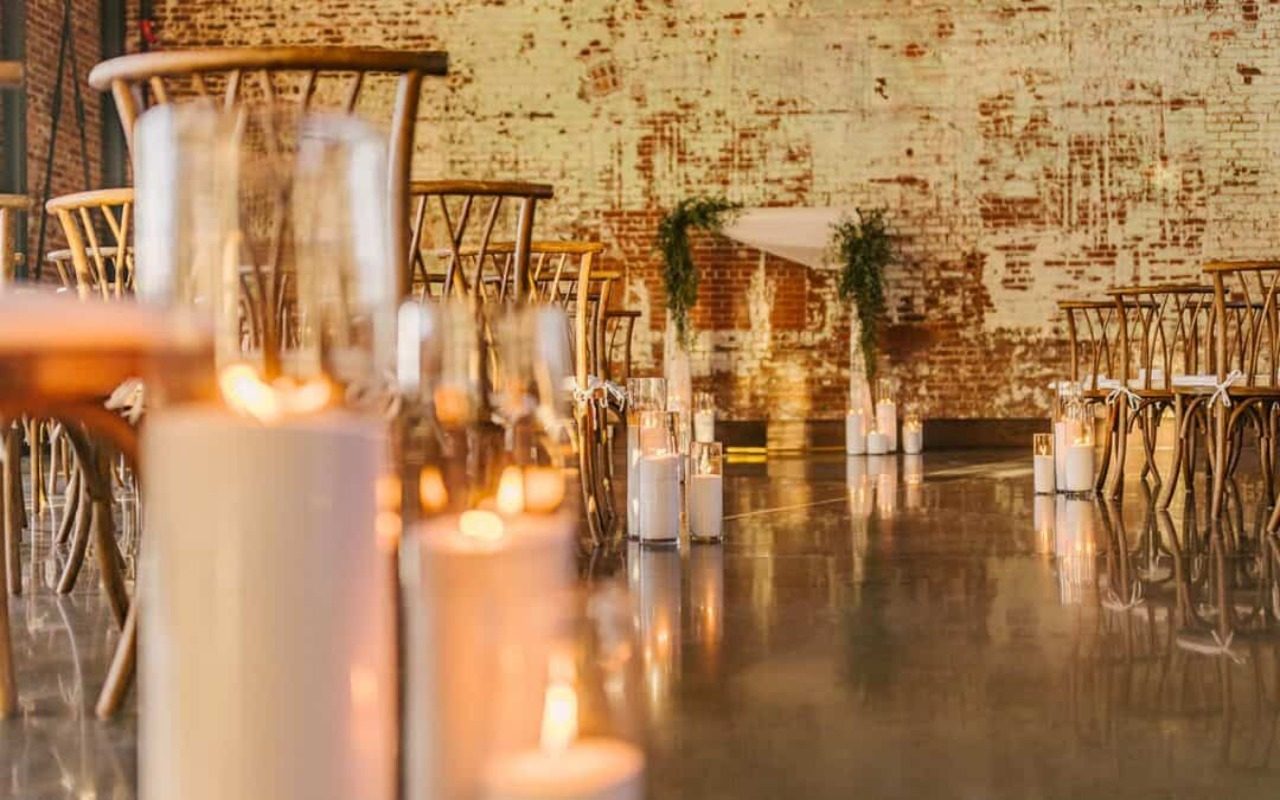
A beautiful candle setup only works if the venue allows it and the staff can manage it safely. Many venues place limits on open flame, especially in historic properties, tents, public assembly spaces, or rooms packed with linens and floral installations. Some require enclosed flames. Others push couples toward LED alternatives for part of the event. That conversation should happen early, long before rentals are booked, because the rule can affect your holders, placement, staffing, and even your floral design.
Basic fire safety should guide every decision. Keep flames away from drapery, paper goods, low greenery, and any aisle path where guests or children may brush against them. Use stable, heat-resistant surfaces and trim wicks before lighting so flames stay controlled and soot stays low. Drafts from open doors, vents, or fans can create uneven burning and higher risk, which is another reason enclosed glass becomes so useful at ceremonies and receptions alike. Good candle styling never ignores logistics. It solves them quietly.
Test, Budget, and Prep for a Smooth Setup
The smartest couples test their setup before the wedding week. Burn a sample of the exact styles you plan to use. Check how long they last, how much wax they drop, how tall the flame runs, and how the holders look once lit in lower light. This quick test can save you from several common disappointments, such as reception candles that burn out too soon, taper holders that feel flimsy, or a shade of wax that looks perfect online and completely off in person.
Budget planning gets easier when you separate statement pieces from support pieces. Spend more on the ceremony focal point and the most photographed reception areas. Use simpler vessels or smaller lights to fill in the rest. That approach keeps the design strong without forcing every table or corner to carry the same cost. Then create a day-of plan that covers delivery, storage, lighting time, extinguishing time, and cleanup. Candles feel effortless when the prep is detailed. That is what turns a pretty idea into a polished wedding atmosphere guests remember long after the last dance.
