
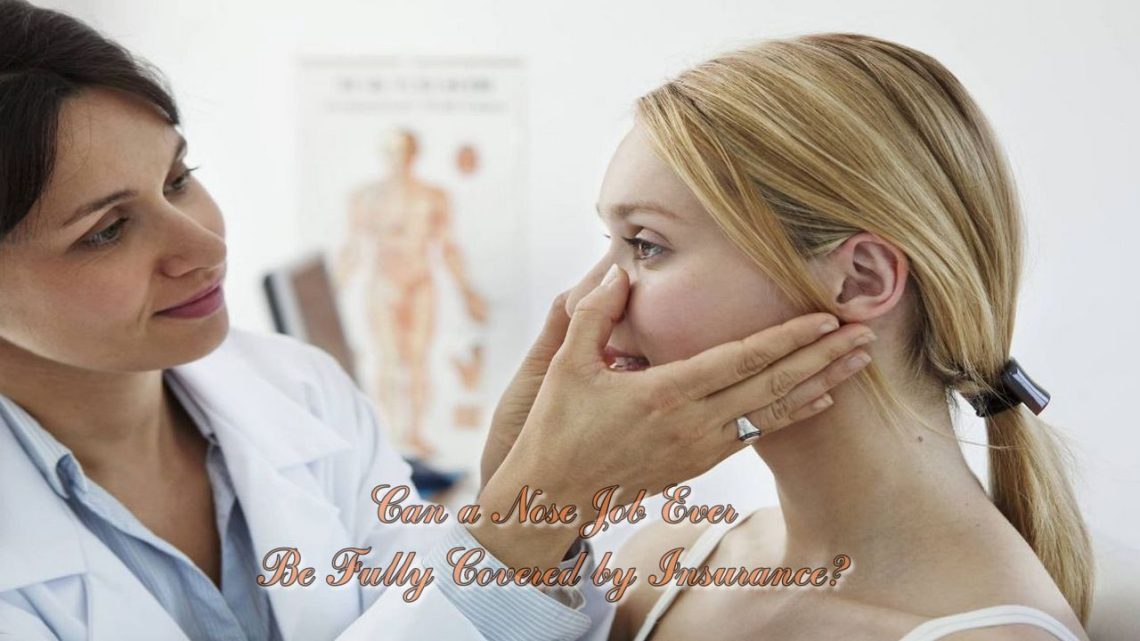
So, you’re thinking about a nose job. Maybe it’s because of a crooked bridge that’s always bugged you. Or maybe breathing through one side of your nose feels like trying to sip a milkshake through a blocked straw. Either way, the question that often pops up first is: Will insurance cover it?
Here’s the thing—it’s not always a clear yes or no. For some, it’s fully or partially covered. For others, it’s considered elective and completely out of pocket. The catch? It all depends on the reason you’re having it done.
If your nose job is medically necessary, like to fix a deviated septum or repair a break, you might get help with the cost. But if you’re after a sleeker shape or a subtle cosmetic change, insurance usually steps aside.
Still, there are some situations where the lines blur. That’s why it’s important to know what counts as a medical need and what doesn’t. Especially if you’re looking to combine health benefits with cosmetic upgrades.
Professionals like Dr Evelyn Tay—who works with a reputable dermatology clinic offering aesthetic and reconstructive procedures—can help you understand where you stand and what options are available.
Let’s dig into the details and see what’s really possible.
What Insurance Actually Covers
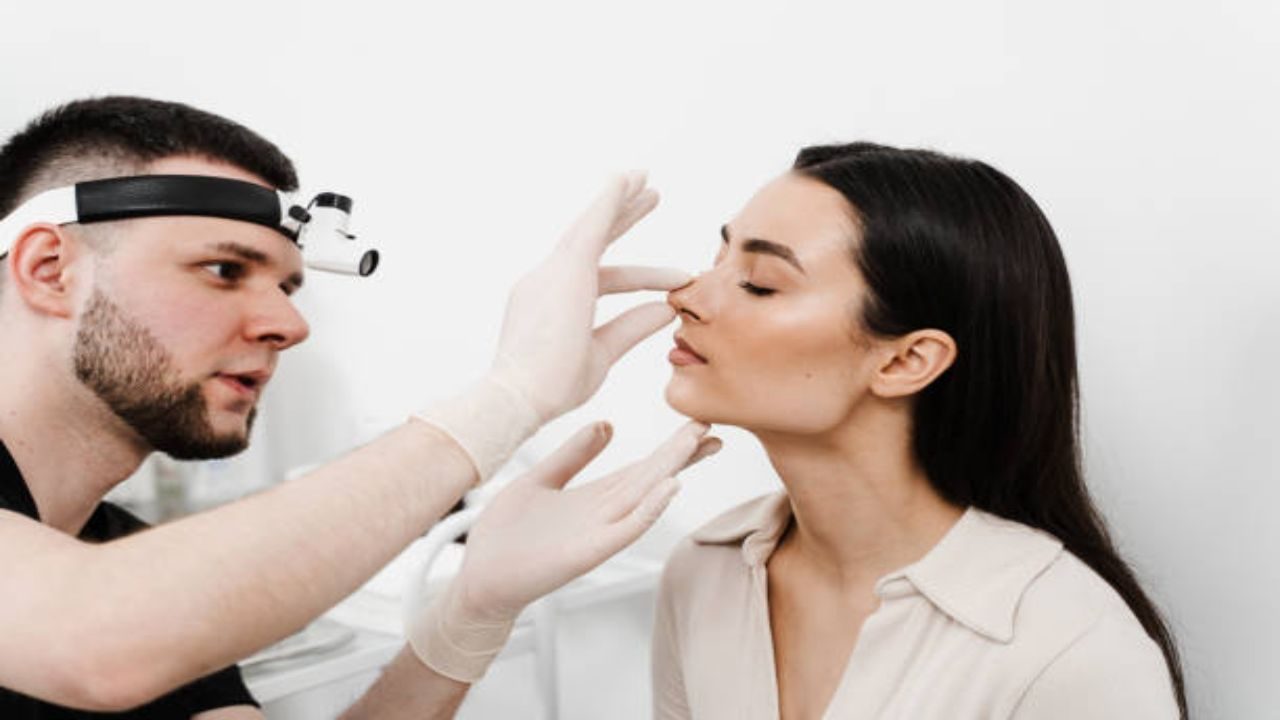
When people hear “nose job,” they often picture celebrities and flawless side profiles. But rhinoplasty isn’t always about appearances. Sometimes, it’s about helping people breathe, sleep better, or fix damage from an injury. That’s where the idea of medical necessity comes into play.
If your nose is stopping you from living normally—say, chronic nasal blockages, loud snoring, or pain after an old fracture—insurance may step in. These aren’t just surface-level concerns. They impact quality of life and, in many cases, long-term health.
However, insurance companies need proof. And not just a doctor’s quick note. Most of the time, they want supporting documentation—things like nasal airflow studies or CT scans. Basically, anything that shows the issue is real and not just a cosmetic preference.
This is where the process can get tedious. But it’s also where the right guidance can make a big difference.
What Happens When It’s Both Medical and Cosmetic?
Let’s say you’ve got a deviated septum that makes breathing tough. But while you’re in surgery, you also want to adjust the tip or shape for better balance. Can you do both?
Yes, and many people do. The medical portion can often be billed to insurance, while the cosmetic portion is paid out of pocket. Think of it like a two-in-one deal—you’re already under anesthesia, already in the operating room. Why not take care of everything at once?
The trick is to work with a surgeon who knows how to separate the two parts of the procedure for billing purposes. They’ll make sure the insurance claim is clear and that you only pay for the cosmetic upgrades.
A word of advice: always have this conversation before your surgery. Surprises are not fun when it comes to medical bills.
What About Other Procedures Like Laser Treatments?

While rhinoplasty grabs most of the attention, it’s not the only aesthetic treatment out there. Procedures like the Picosure laser are gaining popularity for people looking to improve skin texture, fade scars, or erase pigmentation. It’s non-invasive, quick, and known for minimal downtime.
Although insurance won’t cover something like this, it’s worth knowing how cosmetic and medical treatments can often be paired for a more complete result. Think of it like tuning up both the engine and the paint job—functional and beautiful.
Some patients opt for laser resurfacing before or after rhinoplasty to even out skin tone or reduce acne scars, making their surgical results stand out even more. And again, consulting with the right clinic helps coordinate these choices safely and smartly.
Getting Insurance Approval: The Not-So-Fun Part
Even if your nose job qualifies as medically necessary, the process doesn’t stop there. Insurance companies want documentation, referrals, and time to review. It’s not automatic.
To boost your chances, your doctor may submit a letter of medical necessity along with test results. You might also need to visit a specialist, like an ENT, who can confirm the problem and support the claim.
Still, sometimes even valid cases get denied at first. When that happens, you can appeal—and many people do successfully. It just takes persistence and good communication between your surgeon’s office and your insurer.
Revision Surgeries and Second Chances
Now, what if you’ve already had a nose job and need another one? That depends.
Insurance may agree to cover a revision if your first surgery didn’t resolve a medical issue, or actually made things worse. But cosmetic dissatisfaction alone won’t cut it. The problem has to impact function in a meaningful way.
As with all things insurance-related, documentation is everything.
What You Might Still Have to Pay For
Let’s say you get approval. Great. But that doesn’t mean the entire procedure is free.
You could still be responsible for surgeon fees beyond the insurance reimbursement, anesthesia costs, facility charges, or any cosmetic tweaks you’ve added on. That’s why it’s so important to get a detailed quote beforehand.
Also, check if your surgeon is in-network. Out-of-network providers can charge much more, and insurance might not cover the gap.
So, Is Full Coverage Possible?
It is—but only when the medical need is clear, properly documented, and pre-approved. The cleaner and stronger your case, the better your chances.
Cosmetic changes alone? That’s your dime.
But combining both in one surgery? That’s where smart planning pays off. Many patients find that tackling both health and appearance together is not just convenient—it’s also more cost-effective than doing two separate procedures.
As always, it helps to work with experienced professionals who know how to navigate the system. From guiding you through paperwork to coordinating combined treatments, a good clinic can make all the difference.
