
Hiring a private detective raises one big question for clients and courts alike. How do investigators find facts without crossing legal lines. The answer starts with training and a strict respect for procedure. Good agencies run their cases with the same care a law firm uses for discovery, because any short cut can ruin a case.
Lawful investigations also protect clients from unwanted surprises. Clean methods keep evidence admissible, keep subjects’ rights intact, and keep clients off the hook for civil claims. The work still moves quickly, but every step follows a playbook shaped by licensing rules, privacy statutes, and case law.
Licenses, Permits, and the Legal Playbook
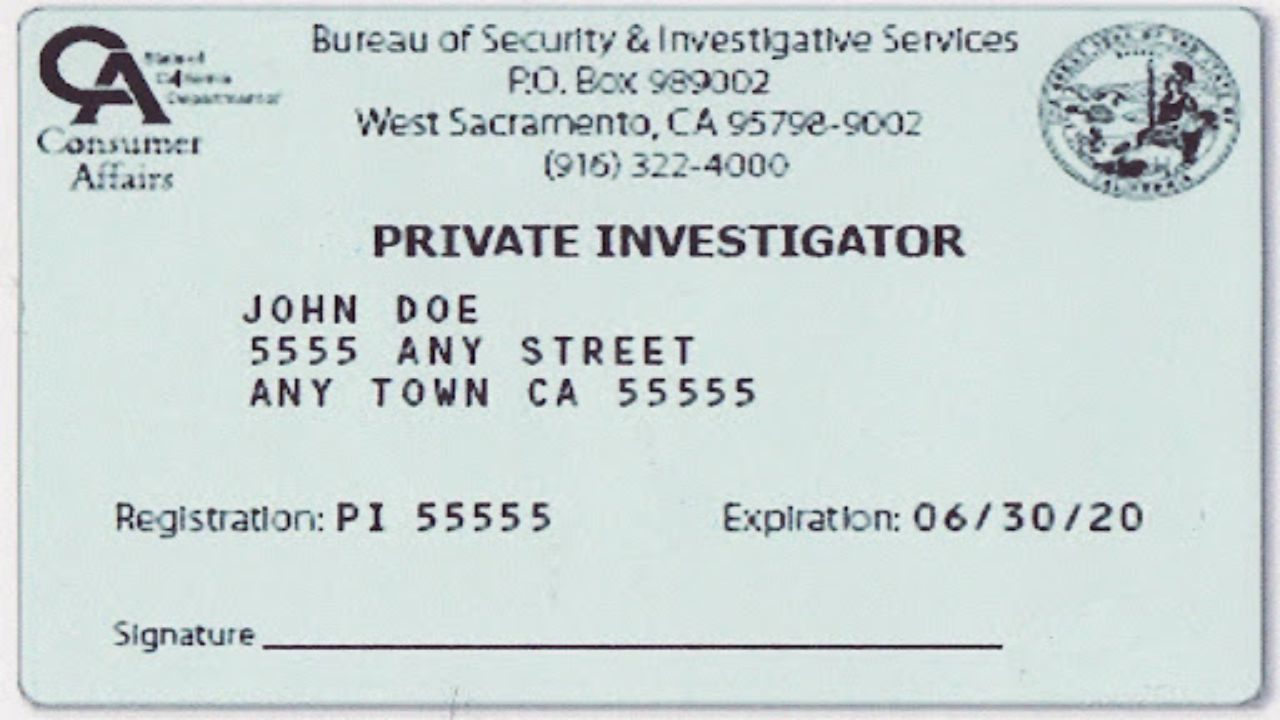
Licensed investigators do not guess at the rules, they live by them. Most states require a license that proves experience, education, clean records, and insurance. Agencies maintain surety bonds and professional liability policies. Those safeguards protect the public and signal to courts that the investigator treats compliance as part of the craft.
Jurisdiction matters. Statutes differ on topics like recording calls, tracking vehicles, and accessing government files. A lawful agency maps each case to the correct venue, then tailors its plan. Teams review two key categories before the first interview starts. First, what the law allows, such as interviewing willing witnesses, canvassing public records, and observing from public vantage points. Second, what the law prohibits, such as trespassing, wiretapping, and misrepresenting identity to gain protected data.
Compliance training never stops. Seasoned investigators track new rulings on privacy torts, consumer protection, and data rights. They update field manuals, consent templates, and retention policies. That ongoing work keeps methods current and reduces the chance of suppression in court.
Evidence That Stands Up in Court
Courts do not reward creativity, they reward clear chains of custody and source credibility. Investigators collect evidence with time stamps, location notes, and device IDs. They number exhibits, store originals in tamper-evident formats, and write detailed collection notes. That record shows exactly who gathered what, when, and how.
Public records make up a large share of lawful evidence. Property rolls, corporate filings, court dockets, and UCC records sit inside the legal comfort zone. Fieldwork adds context. Investigators can photograph buildings from public sidewalks, note vehicle plates in public lots, and log observed routines. They avoid gated areas and locked doors. They never use pretext to obtain bank records, medical files, or other protected data.
Interviews add nuance to documents and photos. Ethical interviewers identify themselves honestly, seek voluntary participation, and avoid coaching. They record consent in writing or on audio when the law permits, or take contemporaneous notes when recording would violate state rules. The result reads clean in a deposition and survives cross-examination.
Surveillance With Clear Limits
Surveillance sits at the center of many cases, and it carries strict boundaries. Investigators watch from public places, keep a professional distance, and avoid harassment. They track behavior, not private content. That distinction matters. Observing a delivery on a driveway from a public street counts as fair game. Peering through curtains does not.
Technology can help, but it cannot replace judgment. Long lenses, low-light cameras, and vehicle mounts remain lawful when used from public locations that any citizen could access. The line hardens at intrusion. No hidden cameras on private property, no audio recording in settings that require two-party consent, no GPS trackers on vehicles the client does not own or control. Teams document vantage points in their logs so a judge can see the lawful footing.
Duration and proportionality also guide conduct. Extended tailing that disrupts a person’s life invites claims of stalking. A measured plan aims for targeted windows tied to a case theory, such as a scheduled transfer, a recurring meet, or a documented work shift. Good files show planning notes that link every hour of surveillance to a legitimate investigative purpose.
Digital Research and Forensics Done Right

Modern cases live on screens. Lawful digital work starts with what the public can see. Investigators capture open-source intelligence, also called OSINT, from public social profiles, open forums, and news archives. They preserve pages with metadata and hashing so the record proves authenticity. They avoid fake accounts that violate platform rules or anti-impersonation laws.
Deeper forensics requires consent or counsel direction. With a signed authorization, a specialist can image a device, recover deleted files, and extract logs. The lab uses validated tools, maintains a written chain of custody, and produces a repeatable process description. That discipline keeps artifacts admissible and shields findings from Daubert challenges.
Data protection sits alongside discovery. Agencies store digital evidence on encrypted media, restrict access to case teams, and set retention clocks tied to the matter. When the case ends, they follow documented destruction steps unless counsel instructs long-term preservation for litigation hold.
Working With Attorneys, Not Around Them
The cleanest way to protect privilege and work product involves counsel. When a lawyer retains the investigator, the investigation can fall under attorney direction. That structure helps keep opinions and strategy out of opposing hands. It also clarifies scope, timing, and legal theories, which guides efficient fieldwork.
Attorneys also shape admissibility. They advise on hearsay limits, authentication needs, and rules for demonstratives. An investigator who thinks like a litigator gathers corroboration in real time, not after the fact. Two witnesses instead of one, an original file plus a verified printout, a date-stamped photo plus a location affidavit. Those habits cut risk when the evidence moves from report to courtroom.
Billing transparency rounds out the relationship. Itemized time entries tied to investigative tasks help counsel evaluate necessity and proportionality. Clear scopes and change-order habits prevent mission creep and keep costs aligned with legal strategy.
Ethics, Risk Controls, and Client Communication
Legal compliance and ethics go hand in hand. Agencies publish codes of conduct that reject discrimination, harassment, and deception. They decline matters that seek to intimidate, retaliate, or invade privacy without a lawful basis. That stance protects the firm and the client alike.
Strong risk controls support ethics in the field. Supervisors review plans before deployment, then check logs daily. Two-person teams handle sensitive tasks. Devices carry asset tags and mobile-device management. Staff receive refresher training on state recording laws, citizen’s arrest limits, and use-of-force prohibitions. If a situation turns volatile, investigators disengage and document the incident, then notify counsel and, when needed, law enforcement.
Clear client updates keep expectations realistic. Investigators share facts, not speculation. They set reporting intervals, deliver sample findings early, and flag legal issues right away. They advise clients on next steps that stay within the law, such as seeking a subpoena through counsel or pursuing alternative proof. That coaching helps clients make informed choices without legal risk.
In lawful hands, private investigation looks methodical, not flashy. Licenses, jurisdiction checks, clean evidence practices, careful surveillance, defensible digital work, and attorney collaboration form the backbone. Add ethics and risk controls, and the result is simple. Reliable facts gathered by legal means, ready for decisions, negotiations, or court.
