
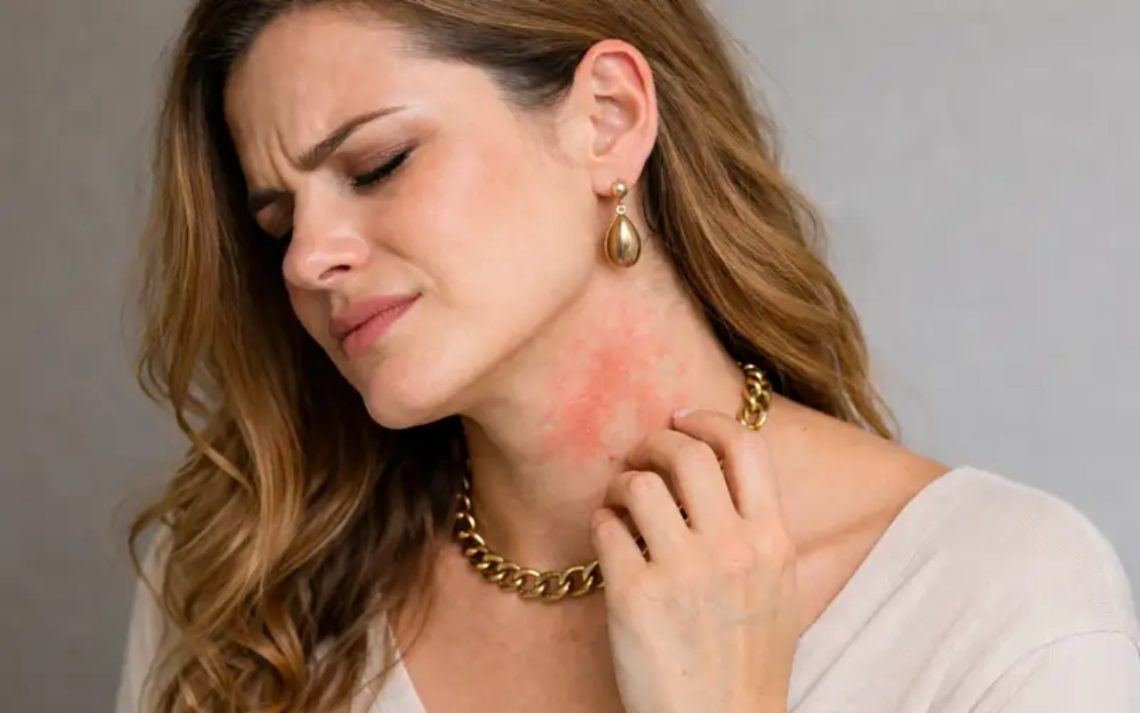
Making your own jewelry is one of those hobbies that rewards attention to detail. You control the materials, the finish, the weight of each piece against a wrist or earlobe. But when you work with certain metals regularly, skin reactions become a real possibility, ranging from a mild itch to something that genuinely disrupts daily life. Clinics like Lumine Dermatology & Laser Clinic see a significant share of patients whose skin complaints trace back to sustained metal contact, whether from pieces they make or pieces they wear. Understanding when to see a skin specialist rather than waiting out a reaction is a judgment call that prevents a lot of unnecessary discomfort.
Most DIY jewelry makers encounter a skin reaction at some point, even if they’ve been at it for years without trouble. The issue is that sensitivity can develop gradually. Repeated low-level exposure to an allergen can prime the immune system to treat it as a threat, so a material that caused no problems for the first two years might suddenly cause intense itching by the third. That unpredictable timeline is part of what makes metal allergies hard to pin down without professional input, and why so many people cycle through remedies before the actual culprit is identified.
The Science Behind Jewelry-Related Skin Reactions
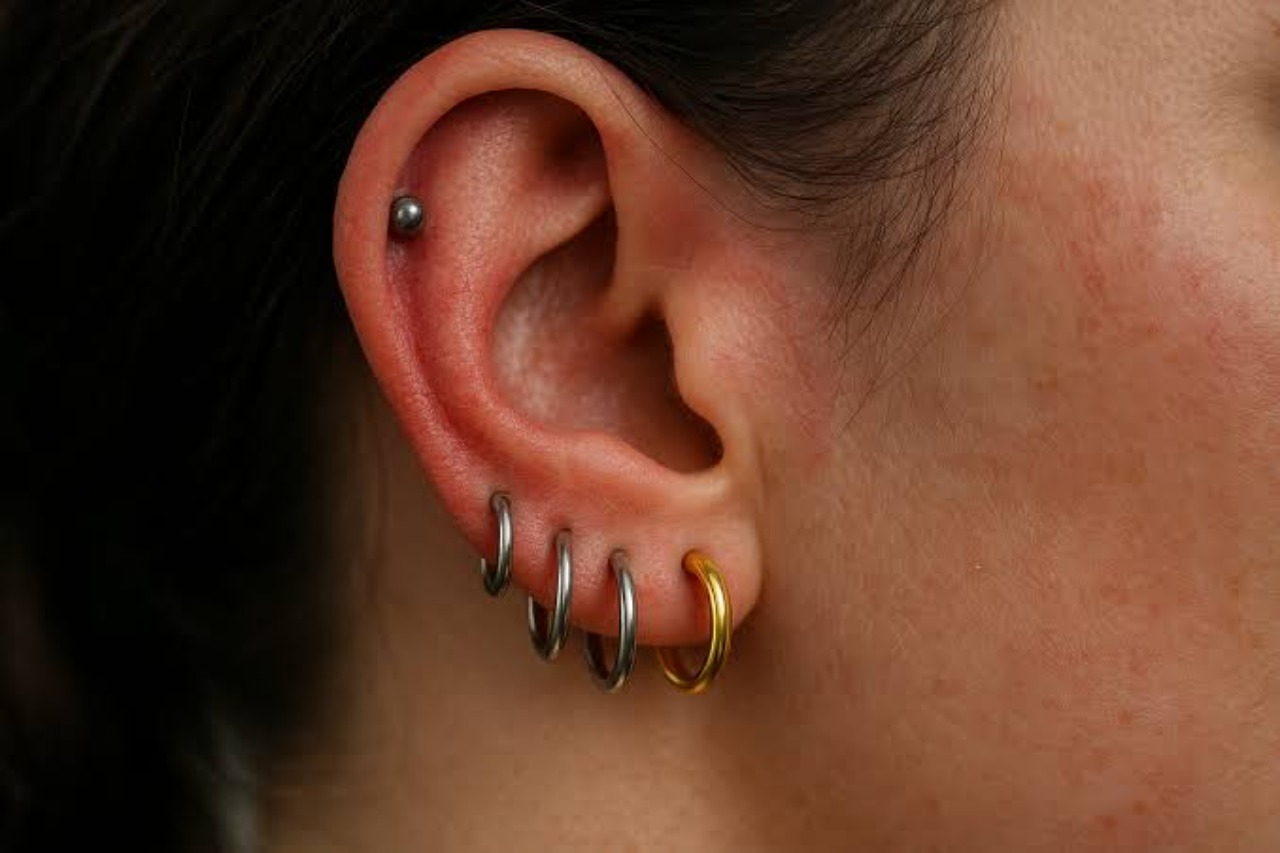
When skin reacts to metal, what’s happening is not an infection. It’s a type IV hypersensitivity reaction called allergic contact dermatitis: a delayed immune response in which metal ions penetrate the outer layer of skin, bind to proteins, and are recognized by sensitized T-cells as foreign. The result is localized inflammation, redness, swelling, itching, and sometimes blistering. The delay between contact and reaction, typically 24 to 72 hours, is one reason people so often misidentify the source.
A rash appearing on a Tuesday might have been triggered by earrings worn on Sunday. This is why contact dermatitis diagnosis, according to the American Academy of Dermatology, often involves patch testing: a systematic process of applying small amounts of suspected allergens under occlusion to pinpoint the culprit precisely.
Understanding the mechanism also clarifies why hypoallergenic claims need to be read carefully. A metal marketed as hypoallergenic reduces risk but doesn’t eliminate it for everyone. Individual sensitivity varies, and some people react to metals that rarely affect others. Patch testing, not self-diagnosis, is the most reliable way to know for certain.
Metals Most Likely to Cause Problems
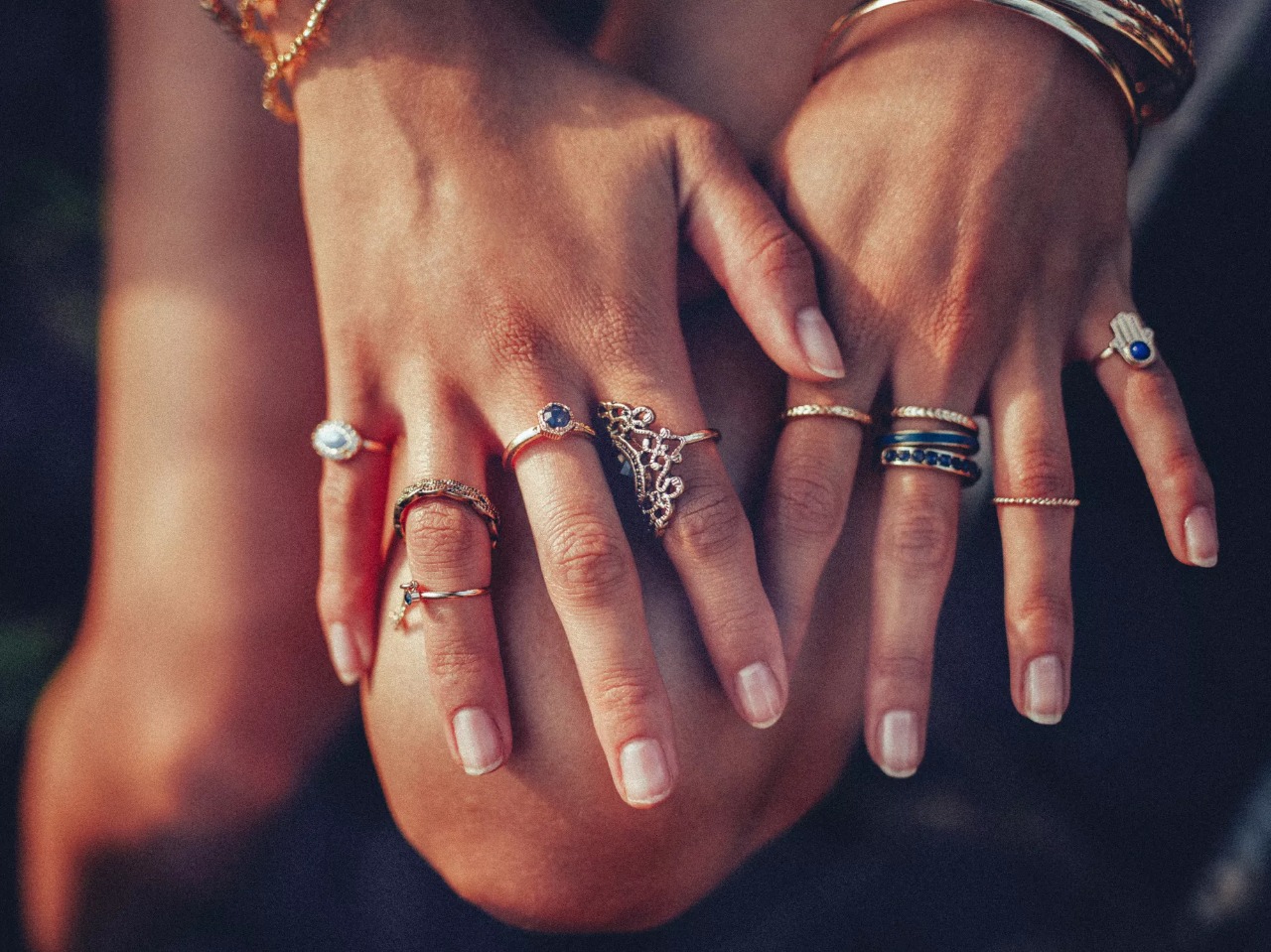
Nickel sits at the top of the list by a significant margin. Studies suggest nickel allergy affects somewhere between 10 and 20 percent of the general population, with higher rates among women, partly attributed to ear piercing, which creates an entry point for nickel ions during the healing process. Cobalt often co-occurs with nickel sensitivity, partly because the two metals appear together in many commercial alloys.
Brass is a common choice for DIY projects because it’s inexpensive and workable, but it typically contains zinc and copper, and many commercial brass alloys include trace amounts of nickel that aren’t always disclosed by suppliers. White gold presents its own complication: the alloy traditionally uses nickel to achieve its pale color, which is why some people who wear yellow gold without any reaction suddenly develop problems when switching to white gold settings.
Copper is worth separating from the reaction category. The green discoloration it leaves on skin is oxidation, not an immune response, and true copper allergy is uncommon. Pure titanium and surgical-grade 316L stainless steel have the lowest reaction rates among metals that appear regularly in jewelry making. If you’ve had reactions to multiple metals, these two are the practical starting points.
Reading the Signs: What Allergic Contact Dermatitis Looks Like
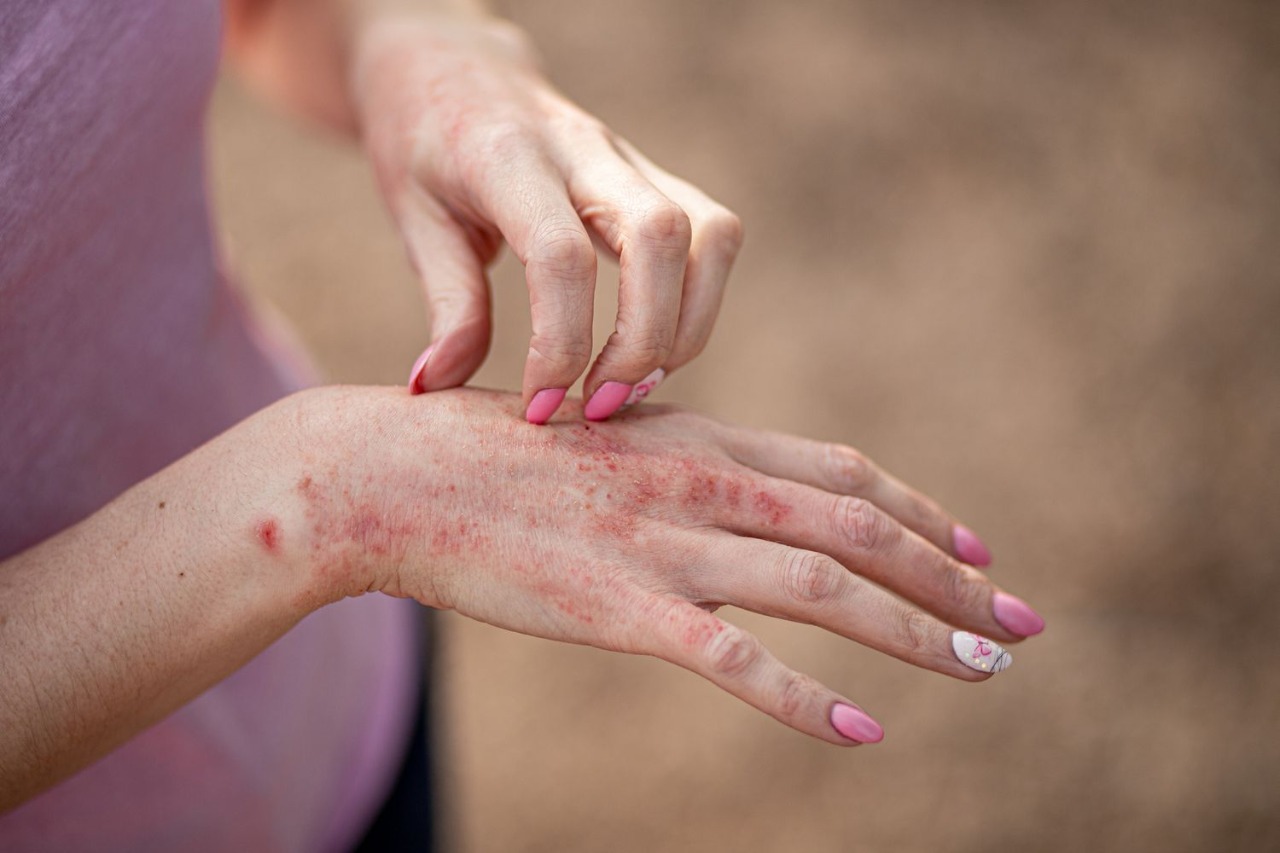
The presentation varies depending on contact duration and sensitivity level. An acute reaction typically produces a well-defined patch of redness and itching exactly where the metal sat against skin. The border tends to be sharp, an earring reaction appears on the earlobe rather than spreading in all directions, and this localization is a useful diagnostic clue.
In chronic cases, where someone continues wearing an allergen over weeks or months without recognizing the source, the skin can thicken and crack in a process called lichenification. This roughening takes longer to resolve even after removing the trigger and often needs clinical intervention. Blistering is possible in more severe reactions, particularly at piercing sites where the metal is in sustained close contact.
If blisters break and the area develops a honey-colored crust or discharge, secondary bacterial infection should be ruled out. According to the National Institute of Arthritis and Musculoskeletal and Skin Diseases, repeated skin barrier disruption from inflammatory conditions significantly raises infection risk, which is why untreated contact dermatitis can escalate in ways that seem disproportionate to the original reaction.
Choosing Materials That Won’t Irritate Your Skin
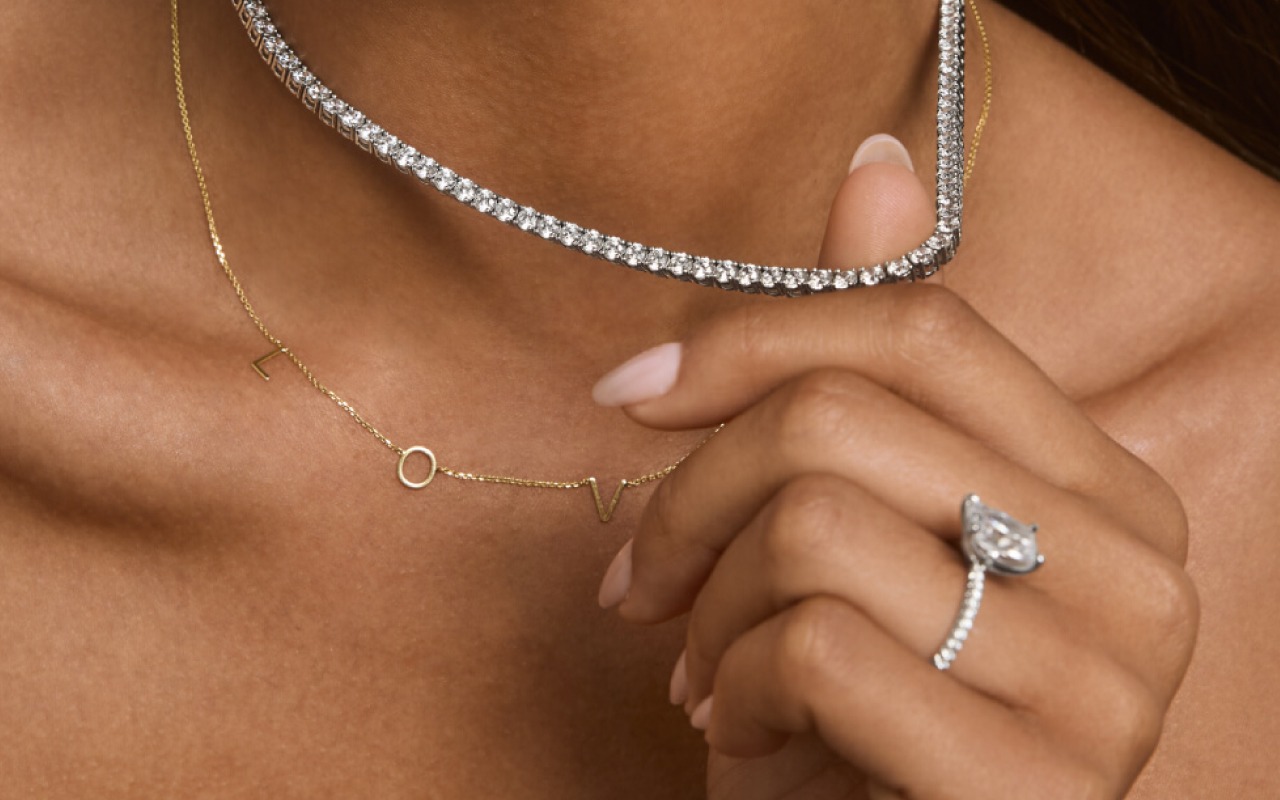
For makers who’ve had reactions, material sourcing becomes central to every new project. Surgical-grade 316L stainless steel, pure titanium, niobium, platinum, and high-karat solid gold (14k or higher, from a supplier that discloses full alloy composition) are generally considered low-risk. Sterling silver sits in the middle: pure silver is relatively safe, but sterling is 92.5% silver alloyed with other metals, usually copper, though cheaper sterling sometimes substitutes nickel instead, with no labeling requirement.
When sourcing supplies, look for vendors that specifically state “nickel-free” rather than just “hypoallergenic,” which is vague and unregulated in most markets. German silver, despite the name, contains no actual silver and is a nickel alloy that anyone with documented sensitivity should avoid entirely.
A nickel spot test kit, available from most jewelry supply vendors, lets you swab a metal sample and check for nickel content before committing it to a project. Building this into your sourcing process adds maybe two minutes per new material and removes a significant amount of guesswork. Base metal findings, the small components like clasps, jump rings, and ear wires, are frequently where nickel sneaks into an otherwise well-chosen piece, so they deserve the same scrutiny as the focal material.
Caring for Skin After a Reaction
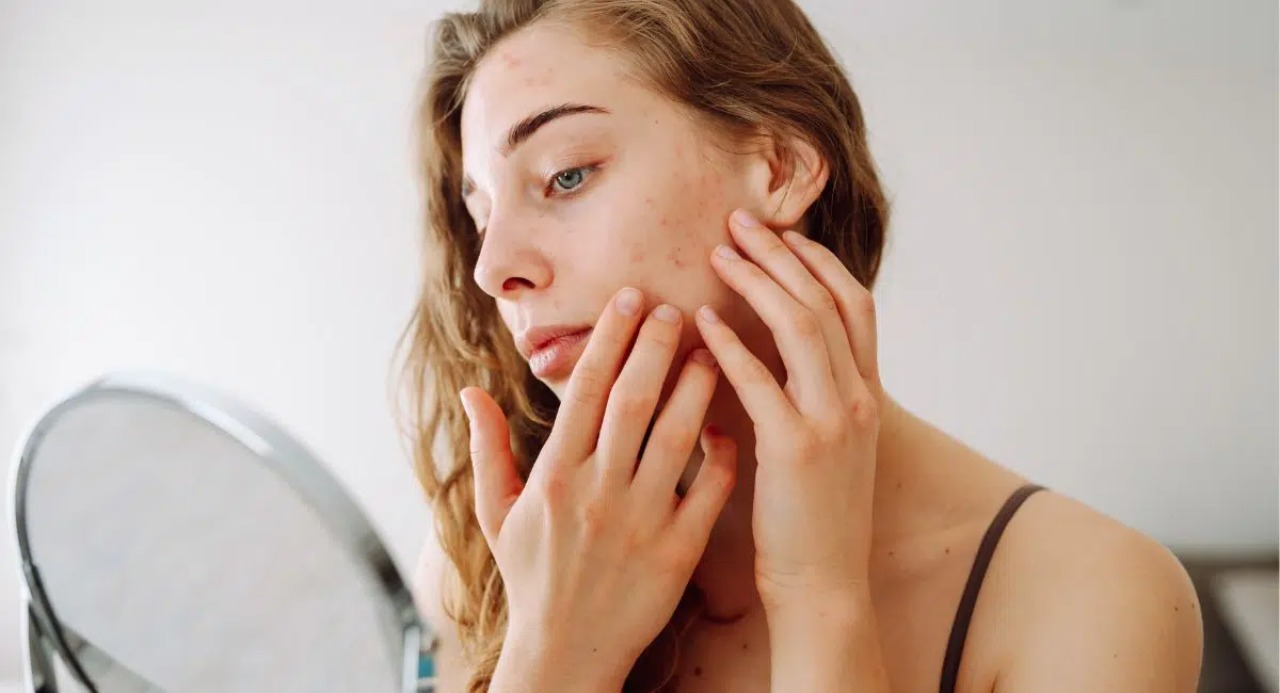
Once the allergen is removed, mild reactions typically resolve in one to three weeks without medical treatment. Keeping the area clean, avoiding further irritation, and applying a fragrance-free moisturizer or barrier cream helps the skin recover more quickly. Over-the-counter hydrocortisone (1%) can reduce itching and inflammation for short-term use, though it’s not a substitute for identifying and removing the trigger.
Cold compresses help with acute weeping or blistering. Antihistamines like cetirizine reduce itch but don’t directly address skin inflammation, so they’re more useful as a complement to topical treatment than as a standalone approach. Scratching compounds the problem: it introduces bacteria and extends healing time beyond what the reaction itself would require.
If a reaction covers a large area, involves significant blistering, or doesn’t improve after two weeks of avoiding the suspected metal, a dermatologist can prescribe a stronger topical corticosteroid or, in persistent cases, a short course of oral prednisone. Some people who develop metal sensitivity remain sensitive indefinitely. Others find that a sustained period of avoidance allows reactivity to decrease somewhat. There’s no reliable way to predict which applies without clinical monitoring, which is another argument for getting a proper diagnosis earlier rather than later.
